NPP Manifesto
2027–2031
Our pledge to the Gambian people — consolidating stability, accelerating inclusive growth, and securing a prosperous future for all.
14 Chapters · One Roadmap
A Covenant with the Gambian People
Fellow Gambians,
Our nation has made important strides over the past years, strengthening democracy, restoring institutions, and rebuilding confidence in public governance.
These achievements did not come easily. They are the result of collective sacrifice, patience, and a shared determination to move The Gambia forward after a difficult chapter in our history.
The National People’s Party (NPP) was born out of this moment of renewal. From its inception, the party has stood for unity, inclusion, and pragmatic leadership—placing national interest above division, and progress above politics. Our guiding belief is simple: development must be people-centered, opportunity must be shared, and governance must be accountable.
This Manifesto presents our vision for the next phase of national development. It builds on the foundations already laid while responding honestly to the challenges that remain—unemployment, cost of living pressures, service delivery gaps, and the need for stronger institutions. It reflects extensive consultations with citizens across the country, professionals, youth groups, women, farmers, traders, and members of the Gambian diaspora.
The policies outlined here are practical and achievable. They focus on strengthening the economy, investing in education and skills, expanding infrastructure, improving healthcare, empowering women and youth, protecting our environment, and deepening democratic governance.
Above all, they are anchored in the values of fairness, national unity, and social justice.
This Manifesto is not merely a campaign document. It is a covenant with the Gambian people: a clear statement of intent and responsibility. The NPP remains committed to listening, learning, and leading with humility, transparency, and resolve.
Together, we can consolidate the gains we have made and build a stronger, more prosperous, and more united Gambia for present and future generations.
May Allah guide our efforts and bless our beloved nation.
For The Gambia. For Unity. For Progress.
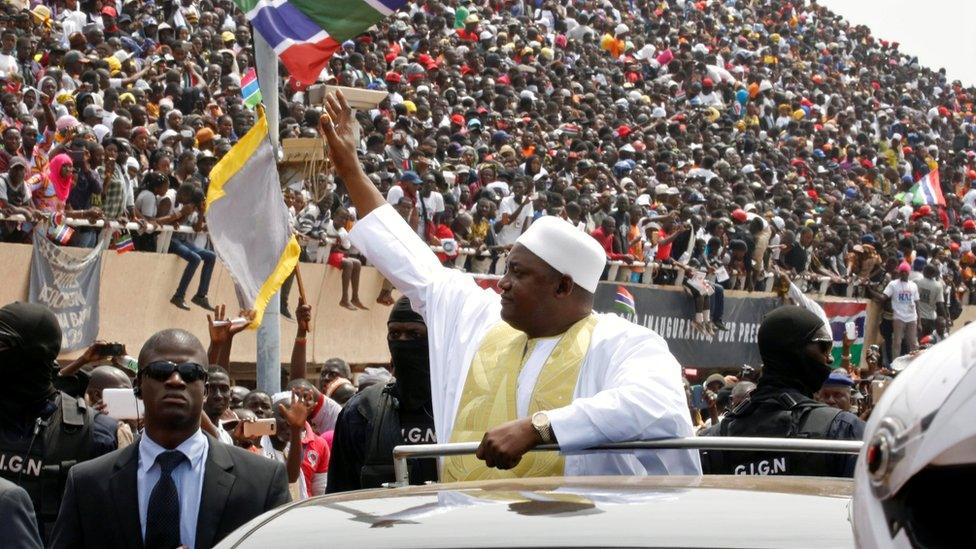
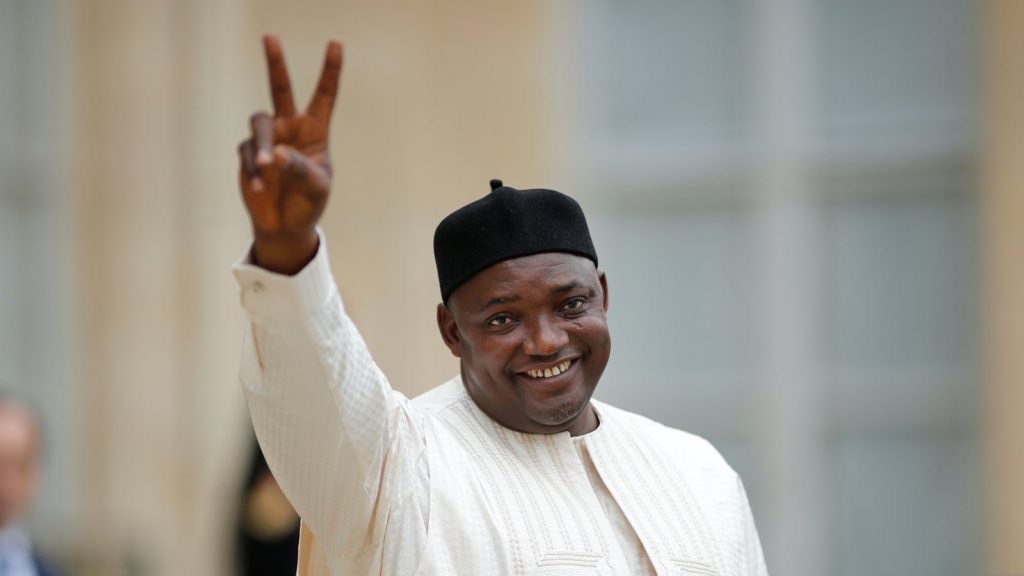
— H.E. President Adama Barrow, Secretary General & Party Leader
“To the People of The Gambia — your resilience is our strength, and your hopes are our mandate.”
This Manifesto is dedicated to the hardworking people of our nation:
- To the mothers and fathers who sacrifice every day so their children can have a better life;
- To the youth, whose energy, talent, and ambition carry our hopes forward;
- To the women of The Gambia, the backbone of our communities and our economy;
- To our elders, whose wisdom guides our steps;
- To Gambians in the diaspora, whose love for country crosses oceans and borders;
- To every community who continue to believe in progress and unity.
May this vision inspire us to build a nation that leaves no one behind.
Our Vision (2027–2031)
A peaceful, democratic, and inclusive Gambia where government serves the people, opportunities are shared, and every citizen can live with dignity, security, and hope.
Our Values
The National People’s Party is guided by clear and enduring values:
- Service to the People: Government exists to serve, not to rule.
- Honesty and Accountability: Leadership must answer to the people.
- Peace and National Unity: Stability is the foundation of progress.
- Fairness and Inclusion: Women, youth, children, and persons with disabilities must not be left behind.
- Hard Work and Opportunity: Success should come from effort, skills, and innovation.
- Respect for Culture and Faith: Development must reflect Gambian values.
Our Governing Philosophy
The NPP believes in practical governance, not empty slogans.
- Strong institutions, not strongmen.
- Results, not noise.
- Steady progress, not reckless change.
Our approach is based on:
This philosophy has guided governance since 2017 and will continue to guide national leadership from 2027 to 2031.
A Practical Roadmap for The Gambia
This Manifesto sets out the National People’s Party’s vision to consolidate stability, accelerate inclusive growth, and secure a prosperous future for all Gambians. It reflects lessons learned over recent years, builds on measurable progress achieved, and outlines clear priorities for the next phase of national development.
Across governance, the economy, social services, infrastructure, and national security, the NPP’s approach is grounded in accountability, practicality, and results. Public service delivery has been strengthened through institutional reforms, digital systems, and improved oversight, ensuring that government works better for citizens.
Economic policy focuses on job creation, private sector growth, and support for agriculture, industry, tourism, the creative economy, and digital innovation. Investments in energy, roads, housing, and connectivity are designed to unlock productivity while reducing regional and social disparities.
Human development remains central to the NPP’s agenda. Education, skills training, healthcare, social protection, youth empowerment, gender equality, and sports development are treated as strategic investments in national strength and unity.
National security, justice, environmental protection, land management, and climate resilience are addressed with a forward looking approach that safeguards peace, protects natural resources, and prepares the country for future challenges.
Together, these commitments form a coherent plan for 2022–2026 achievements and a focused program for 2027–2031. The NPP presents this Manifesto as a practical roadmap; one that prioritizes the everyday concerns of Gambians while positioning The Gambia for long term stability, opportunity, and shared prosperity.
Good Governance & Public Service Delivery
“Open Government and Honest Leadership; Services That Work”
Achievements (2022–2026)
The NPP-led government has strengthened transparency, accountability, and citizen-centered service delivery across all levels of governance. Institutions are more open, public services are more accessible, and reforms have laid the foundation for a modern and accountable state.
1. Opening Government to Citizens & Strengthening Transparency
The Right of Access to Information Act took full effect, enabling citizens to request public information through an independent Information Commission. Ministries now proactively publish key data and participate in nationwide public-engagement sessions through the Open Government Partnership framework, fostering transparency and dialogue.
2. Taking Concrete Steps Against Corruption
The Anti-Corruption Act (2023) established the Anti-Corruption Commission, and by 2025 its leadership was appointed—transitioning the institution from legislation to operational reality. New rules and oversight mechanisms have been introduced to improve integrity in public finance and procurement.
3. Advancing Justice, Reconciliation & Accountability
The Government implemented the TRRC White Paper and adopted the TRRC Implementation Plan (2023), leading to the creation of the Victims Reparations Act (2023) and the Special Accountability Mechanism Act (2024). These reforms support justice, reparations, and national healing.
4. Cleaner Public Spending & Modernized Procurement Systems
The Gambia Public Procurement Authority has strengthened oversight and expanded digital procurement systems, reducing delays, improving value for money, and increasing transparency across Ministries, Departments, Agencies, and SOEs.
5. A Positive Governance Trajectory
Independent African governance assessments—including the 2023 IIAG—place The Gambia above regional and continental averages in transparency, accountability, and inclusion, reflecting continued progress in governance reforms.
The Way Forward (2027–2031)
The next phase of the NPP's governance agenda is clear: faster services, stronger accountability, more transparency, and empowered citizens.
1. Zero Tolerance for Corruption — With Enforcement You Can See
The Anti-Corruption Commission will be fully operational with an annual workplan, quarterly public updates, and 90-day timelines for major investigations. Cabinet members and SOE heads will file e-Asset Declarations, and summaries will be published annually. All government procurement will be fully digital by 2029, with SOE and council procurement fully online by 2031.
2. Public Services that Respect Citizens' Time
Service Charters outlining fees and timelines will be displayed in all public institutions, with refunds or waivers when deadlines are missed. One-Stop Government Service Hubs will be established in every region, and citizens will track applications using SMS/USSD. Public-service reforms will strengthen meritocracy, ethics, and performance.
3. Your Right to Know — Made Simple and Accessible
The Information Commission will be fully staffed to resolve 90% of requests within 30 days. Annual "Know Your Rights" campaigns will be rolled out nationwide, and simplified open budgets and citizen scorecards will be published every year.
4. Justice, Reconciliation & "Never Again"
The Government will fully deliver the TRRC Implementation milestones—finalizing reparations, operationalizing the Special Accountability Mechanism, and publishing a quarterly progress dashboard accessible to all citizens.
5. Empowering Local Government & Communities
Decentralization will be backed with timely transfers, participatory budgeting in all wards, and mandatory public disclosure of ward-level projects with photos and completion timelines.
6. Peace, Social Cohesion & National Unity
A National Peace and Social Cohesion Programme will institutionalize community dialogues, youth mediation training, and early-warning systems. Annual "Unity Weeks" will be held nationwide in partnership with traditional and religious leaders.
7. Clean Government Through Open Data
A national transparency portal—data.gov.gm—will publish contracts, audits, SOE performance, and geo-mapped projects. The Gambia will implement international standards for open contracting and beneficial ownership.
8. Accountability Through Strong Independent Oversight
Parliament's Public Accounts and Public Enterprises Committees will be strengthened with research teams and structured public hearings. Treasury minutes will be required within 60 days of audit reports. The Ombudsman's Offices will expand to all regions with clear complaint timelines.
By 2031, you will experience a government that is more open, faster, and fairer—and you will be able to track progress yourself online and in your community. We will build a modern public service that is ethical, people-centered, and fully digital—serving every Gambian with dignity, transparency, and efficiency.
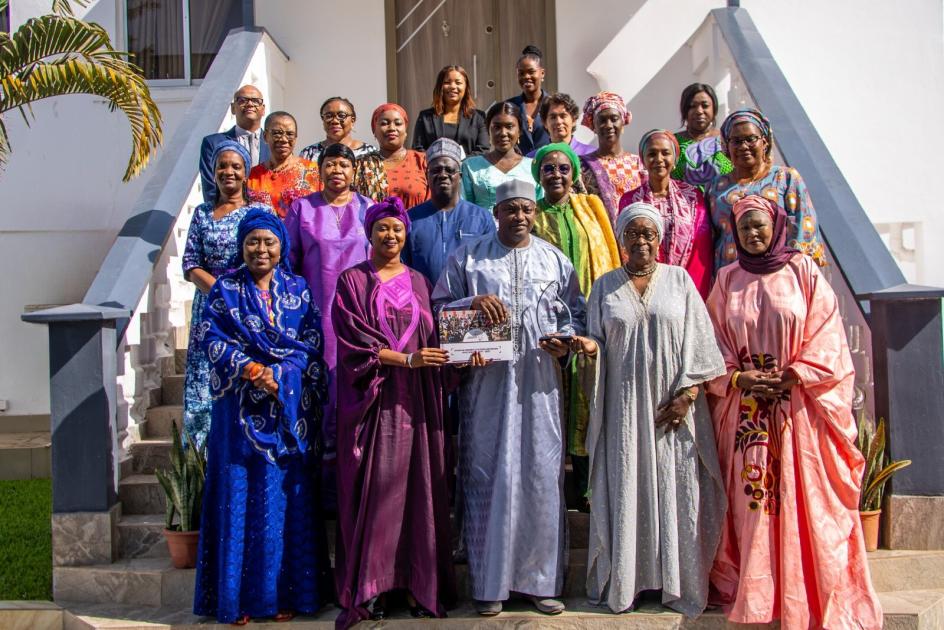
Women's Empowerment, Gender Equality & Children's Rights
“Empowering Women, Protecting Children, Strengthening Families”
Achievements (2022–2026)
Efforts to advance women's empowerment, gender equality, and child protection have deepened; strengthening families and improving opportunities across communities.
1. Expanding Women's Leadership and Participation
Increased women's representation across public boards, councils, and community development structures. Strengthened national gender institutions, enabling more effective coordination of policies and programs for women and girls. Supported women's participation in peacebuilding, local governance, and civic engagement.
2. Economic Empowerment and Skills Development for Women
Thousands of women entrepreneurs accessed microfinance, grants, equipment, and training through the Women Entrepreneurship Fund—which disbursed GMD 66.32 million in loans to women's groups—alongside GAWFA programs and government-supported livelihood initiatives. Women farmers, fish processors, and cooperatives received agricultural inputs, solar dryers, cold-storage facilities, and improved access to markets. Women's empowerment programs—ranging from food processing to tailoring and cooperative management—expanded income opportunities across rural and urban communities.
3. Women's Health, Education, and Protection
Maternal and reproductive health services improved through upgraded maternity wards, community health posts, and mobile clinics. Girls' education strengthened through scholarships, mentorship initiatives, and targeted support for rural and vulnerable communities. National campaigns promoting the protection and rights of women and girls were expanded in partnership with communities, civil society, and local leaders.
4. Children's Rights, Protection, and Welfare
Children's Courts were established across the country, providing child-friendly justice, resolving custody and welfare cases, and supporting children in conflict with the law through diversion programs. Childcare and elderly care facilities were expanded and renovated, creating safer and more protective environments for vulnerable children. The Child Protection Policy and Strategy (2025–2030) strengthened national accountability systems and standardized care through national manuals and community protection guidelines. The Government submitted state reports under the African Charter on the Rights and Welfare of the Child and the UN Convention on the Rights of the Child, demonstrating improved transparency and adherence to international standards.
5. Stronger Community Structures and Support Systems
Women's cooperatives across agriculture, fisheries, horticulture, and handicrafts strengthened governance and market access. Community child protection committees received training and new tools to identify risks, report cases, and coordinate interventions.
The Way Forward (2027–2031)
The NPP's agenda for the next term is bold, inclusive, and transformative—ensuring women and children are protected, empowered, and positioned to shape the nation's future.
1. Leadership, Governance, and Equal Opportunity
Introduce a Gender Parity Framework to ensure substantial women's representation in Governance. Create a capacity building initiative to train 500 women in leadership, governance, entrepreneurship, and negotiation. Create community-based platforms for girls' mentorship, civic education, and leadership development.
2. Economic Empowerment and Women-Led Enterprise Growth
Expand the National Women's Enterprise Fund (D500 million) to support grants, low-interest loans, equipment, and cooperative development. Establish Regional Women's Business Centres providing training, digital-finance support, and access-to-market services. Empower women-led enterprises in public procurement and offer incentives where feasible.
3. Education, Health, and Opportunity for Women and Girls
Ensure universal completion of upper-secondary education for girls by 2031 through bursaries, mentorship, and community partnerships. Expand STEM, ICT, and digital-skills programs for girls. Upgrade maternal and reproductive health services nationwide, ensuring access to essential medicines, emergency care, and safe delivery services.
4. Protection, Justice, and Social Support for Women and Children
Establish Special Gender and Children's Courts in all regions to fast-track cases involving gender-based violence, child protection, and family welfare. Expand GBV Response Centres with counsellors, legal officers, and survivor-support programs. Strengthen enforcement of laws protecting women and children while working with traditional and religious leaders to promote awareness and prevention. Expand community-based foster care, social-welfare programs, and family-strengthening initiatives.
5. Empowering Women and Children in Climate and Community Development
Engage women's groups in national climate adaptation planning, tree-planting campaigns, and sustainable agriculture programs. Provide grants for women farmers to adopt climate-resilient technologies such as solar irrigation and organic farming. Train 10,000 women and youth as Community Green Ambassadors promoting environmental stewardship, recycling, and local resilience. Strengthen children's environmental education through school clubs and community initiatives.
The NPP stands firm in its belief that a nation thrives when its women are empowered and its children are protected. By 2031, we will deliver a Gambia where women have equal opportunity to lead and succeed; children grow in safety, dignity, and love; families are stronger and more resilient; and communities are inclusive, peaceful, and prosperous. Empowering women and protecting children is not just policy—it is our national duty and our shared path to a stronger, more united Gambia.
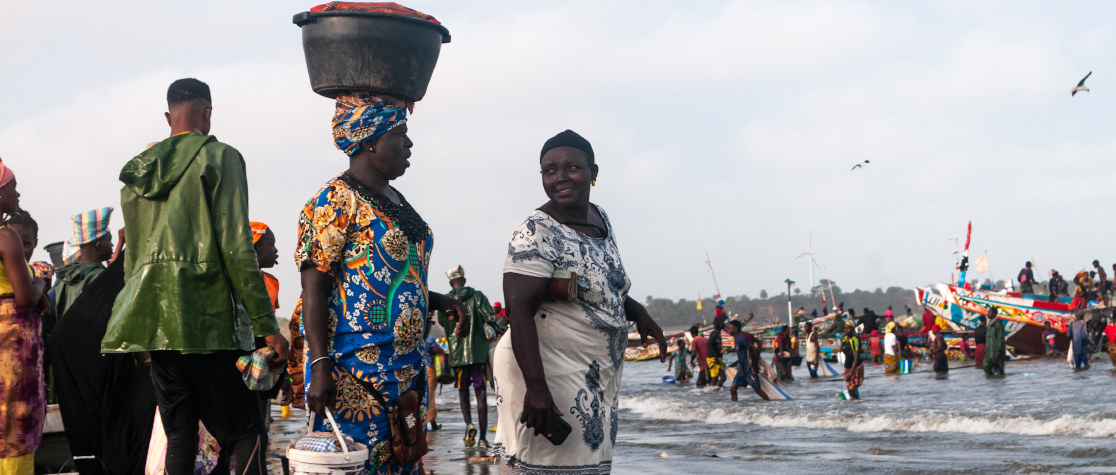


Agriculture & Food Security
“Feeding the Nation, Building Rural Prosperity”
Achievements (2022–2026)
Over this period, The Gambia's agriculture sector made some of its most significant gains in decades: expanding production, strengthening value chains, empowering farmers, and laying the foundation for food self-sufficiency. Through programmes such as ROOTS, GIRAV, GAFSP, SRPEP, P2-P2RS, RVCTP, and the KRICEBELT partnership, the country shifted from fragmented interventions to a coordinated, climate-smart, value-chain-driven transformation.
1. Stronger Crop Production and Rising Yields
Rice production reached its highest performance levels in national history, and national cereal output climbed to roughly 131,700–135,000 tonnes, supported by improved seeds, fertilizers, GIRAV mechanization that cut plowing to a single day, land development, and climate-smart extension. More than 12,000 farmers received certified seeds and inputs; over 3,330 farmers accessed mechanization services; and thousands of hectares of rice fields were rehabilitated or newly developed. Maize productivity rose significantly, with over 3,000 ha cultivated and national yields increasing by more than 140%. Groundnut and upland crop production expanded, supported by improved varieties and land preparation services.
2. Transformational Growth in Livestock Production
Over 30,000 livestock-producing households benefited from national support programmes. The country delivered 20 new livestock boreholes, 20 community pastures, slaughterhouses, markets, milk collection centres, and mini dairies — modernizing the entire supply chain. Vaccination coverage for sheep and goats reached 82%, reducing mortality and improving market value. Poultry production grew through school and community units, improving dietary diversity and reducing imports.
3. Expanding Agribusiness, Value Chains & Market Access
GIRAV's Matching Grant Initiative supported over 400 enterprises, unlocking millions of dollars in private investment. ROOTS supported youth, women, and cooperatives through matching grants and community-based horticulture. More than 20 bulking centres, 35 storage facilities, drying floors, district rice stores, onion curing centres, and cold chain facilities were constructed nationwide. The Tomato Processing Facility in Kwinella reached advanced completion, positioning The Gambia to reduce tomato paste imports. Over 200 km of feeder roads improved access to markets for rural communities.
4. Research, Extension & Climate-Smart Innovation
The country established 19 Climate-Smart Villages, introduced new rice varieties, trained agricultural experts through international partnerships, and strengthened livestock research and veterinary laboratories. A national e-extension platform expanded digital advisory services, enabling farmers to access real-time production, market, and climate information. In summary: The 2022–2026 period set the stage for a modern, productive, resilient agricultural economy that empowers farmers, reduces imports, and secures food for all Gambians.
The Way Forward (2027–2031)
Building on these achievements, the NPP will implement a bold and transformational agricultural agenda focused on self-sufficiency, commercialization, modernization, youth and women empowerment, climate resilience, and inclusion of the differently abled.
1. Achieving Food Self-Sufficiency in Rice and Staple Crops
Establish the Gambia Accelerated Rice Self-Sufficiency Initiative (GARSI) to foster national rice production. Launch a National Rice Competitiveness & Farmer Support Fund to scale mechanization, access to credit, land development, irrigation, and improved seed systems. Strengthen the NFSPMC to procure grains for national reserves and stabilize markets.
2. Transforming Livestock for a Self-Sufficient, Resilient Economy
Expand district veterinary units, improve housing and feed systems, and scale vaccination campaigns for major livestock diseases. Strengthen rangeland management, water access, and genetic improvement programmes for small ruminants, dairy cattle, and poultry.
3. Mechanization, Irrigation & Modern Value Chains
Establish Agro-Service Mechanization Centres in key production zones. Expand land development and irrigation for year-round horticulture, rice, and maize production. Strengthen value chains in rice, maize, groundnut, vegetables, poultry, and dairy through aggregation, processing, storage, and feed production.
4. Seed Security & Home-Grown Production Commitment
Implement a National Seed Security Framework to ensure reliable, high-quality, climate-resilient seeds. Require licensed rice importers to invest in domestic rice cultivation ("Home-Grown Production Commitment") to accelerate self-sufficiency.
5. Youth and Women at the Center of Agricultural Transformation
Expand access to land, technology, mechanization, and finance for women and young agripreneurs. Strengthen youth-led agribusiness in poultry, dairy, horticulture, and rice value chains.
6. Private-Sector Out-Grower Models for Inclusive Growth
Scale proven out-grower schemes with guaranteed markets, input credit, mechanization, and extension support. Strengthen aggregation, processing, cold chain, and e-extension services.
7. Jobs, Rural Industrialization & Farmer Prosperity
Implement a National Self-Employment Assistance Programme for youth and women in agro-processing, mechanization, and services. Upgrade rural processing centres, seed stores, and mixed farming centres to stimulate rural industries.
8. Digital Agriculture and Research-Driven Innovation
Expand e-extension nationwide to deliver real-time production, climate, and market information to all farmers. Upgrade research institutions (NARI, mixed farming centres) to serve as hubs for innovation, demonstration, and farmer training. Use Artificial Intelligence (AI) in agriculture.
9. More Efficient Post-Harvest Systems & Reduced Losses
Expand aggregation, storage, milling, processing, feed mills, and cold chain facilities to improve quality and reduce waste. Prioritize women-led horticulture, vegetable production, and irrigated valleys.
10. Inclusive Land Reform for Women & Youth
Promote gender-responsive land governance and ensure equitable access to land for women and youth. Establish a Women's Land Rights Dialogue with traditional authorities to institutionalize fairness in land allocation.
Agriculture will remain at the heart of national development — securing food for every Gambian, creating jobs for youth, empowering women, and lifting rural communities out of poverty. By 2031, The Gambia will move decisively toward food self-sufficiency and a resilient, modern agricultural economy that leaves no farmer behind.
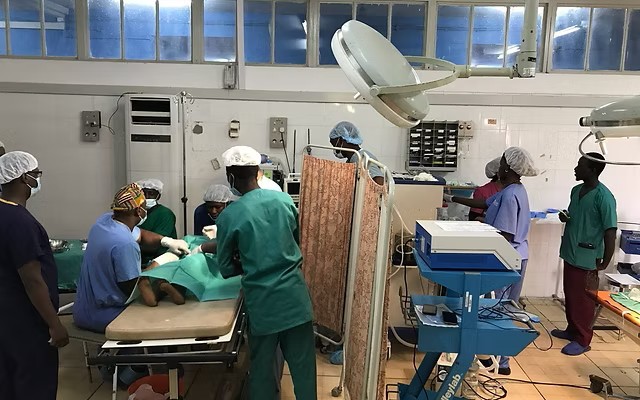

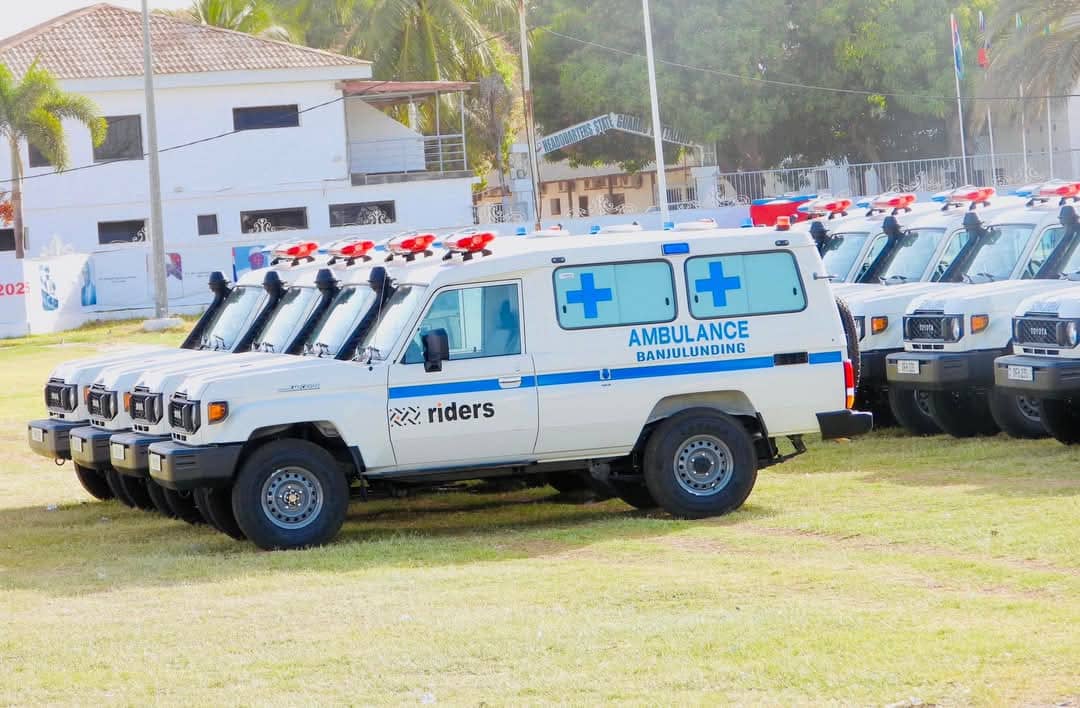
Healthcare & Social Protection
“Delivering Quality Care, Protecting Every Gambian”
Achievements (2022–2026)
Significant improvements in health delivery, social services, and community level protection systems have advanced national wellbeing and strengthened resilience.
1. Expanding access to quality healthcare
New hospitals, health centers, and health posts were constructed and upgraded nationwide—including 24 primary health posts inaugurated, with 6 new clinics and a 56-bed hospital in Njaw (CRR) under construction—improving access to emergency, maternal, and child health services. Vaccination coverage reached one of the highest levels in the subregion, reducing preventable diseases and improving child survival. Community health outreach programs strengthened preventive care in rural and underserved areas.
2. Strengthening health systems and service delivery
Health workforce capacity was enhanced through continuous training, expanded specialist programmes, and improved deployment of nurses, midwives, and community health workers. Pharmaceutical supply chains were strengthened, reducing frequent stockouts of essential medicines. Upgrades in digital health tools supported better data tracking and service coordination.
3. Advancing social protection and household resilience
The NAFA Program expanded support to more than 25,000 extremely vulnerable households across over 20 districts through cash transfers, food distribution, and livelihood support. Women's cooperatives benefited from enterprise grants that improved household income, nutrition, and access to healthcare. Early-stage community-based disaster preparedness initiatives were introduced in flood- and drought-prone areas.
4. Promoting inclusive protection and welfare services
Additional child and elderly care facilities were built or rehabilitated, expanding safe spaces for at-risk groups. Child protection structures were strengthened, including community committees and district-level coordination mechanisms to prevent abuse, neglect, and exploitation. Progress was made in aligning national systems with regional and global child-rights frameworks.
The Way Forward (2027–2031)
The next phase advances a unified, people-centered system that links healthcare, social protection, and disaster resilience to safeguard every Gambian.
1. Modern hospitals and universal access
Construct and upgrade regional hospitals, fully equipped with modern diagnostic, surgical, and specialist facilities. Expand the National Health Insurance Scheme (NHIS) to cover at least 90% of the population, prioritizing vulnerable groups. Reduce maternal mortality by 30% and under-five mortality by 40% through strengthened reproductive, neonatal, and emergency care services. Roll out a nationwide e-Health system, enabling telemedicine, digital medical records, and real-time disease surveillance. Support local pharmaceutical production and improve national supply chains to ensure uninterrupted access to essential medicines.
2. Strong community health systems
Train and deploy additional community health workers to every district. Upgrade rural health posts with modern equipment and digital connectivity. Expand preventive health programs targeting malaria, nutrition, maternal health, and noncommunicable diseases.
3. Comprehensive social protection for vulnerable families
Further extend social protection coverage to households through cash transfers, targeted subsidies, and livelihood support. Improve disability inclusion by expanding rehabilitation services and ensuring accessible healthcare facilities. Enhance programs for the elderly, including community-based care models.
4. Building national and local resilience to disasters
Establish National and Regional Disaster Funds to deliver rapid, transparent emergency support during floods, droughts, or other crises. Scale up Disaster Risk Reduction (DRR) programs, integrating early-warning systems, climate-resilient infrastructure, and localized preparedness planning. Empower community-led disaster committees to identify risks and manage localized response strategies. Establish a National One Health Platform to strengthen coordination between health, agriculture, water, and environment sectors for integrated disaster response.
5. A coordinated roadmap for delivery (2027–2031)
Continue hospital upgrades; expand specialist medical training; launch DRR pilots; establish Disaster Funds. Expand NHIS rollout; integrate early-warning systems across regions; strengthen DRR capacity. Scale maternal and child health programs; fully deploy e-Health platforms; expand surveillance systems. Achieve nationwide access to quality health services, comprehensive social protection, and robust disaster preparedness.
The NPP remains committed to protecting lives and strengthening the welfare of all Gambians. By uniting healthcare delivery, social protection, and disaster resilience into a single, people-centered system, the next administration will build a nation that is healthier, safer, more inclusive, and more resilient. By 2031, every Gambian—wherever they live—will have access to quality care, social protection, and the support needed to withstand life's challenges.

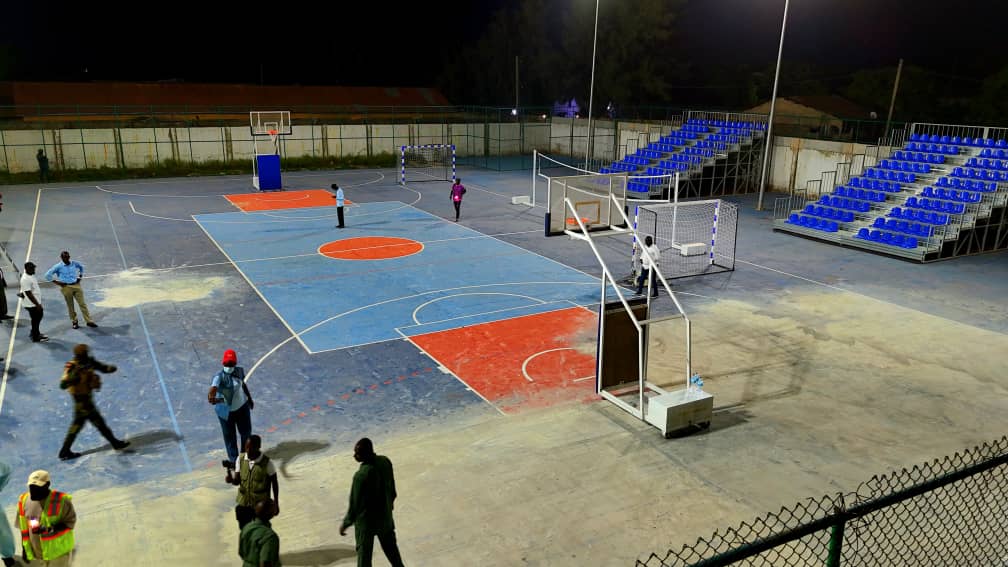
Youth Empowerment, Skills Development & Sports
“Unlocking Potential, Creating a Future of Opportunity”
Achievements (2022–2026)
Between 2022 and 2026, tangible progress was recorded in expanding opportunities for young Gambians in skills development, employment, leadership, entrepreneurship, and sports. Youth empowerment was placed at the center of national development, recognizing young people not only as beneficiaries but as drivers of growth, innovation, and social cohesion.
1. Expanding skills training, employability, and talent development
TVET centers were upgraded and expanded nationwide, delivering training in ICT, renewable energy, agriculture, construction, hospitality, mechanics, and creative skills. Thousands of young people obtained technical and vocational certification through GTTI, USET, NEDI, NYC, and accredited private institutions. Development partnerships supported digital literacy, coding, graphic design, cybersecurity, green-economy skills, and sports administration training. Youth talent identification programs linked skills development with sports, arts, and creative industries. Flagship skills schemes delivered measurable results, including 88 NaYSGP pilot graduates, 100 trainees in Cohort 2, 200 TVET graduates, and 200 NYSS recruits.
2. Youth enterprise, jobs, innovation, and the sports economy
Youth Enterprise Funds and MSME financing enabled young entrepreneurs to start and scale businesses across sectors. Regional Youth Empowerment Programs supported start-ups in agriculture, fisheries, tailoring, welding, services, and sports-related enterprises. Innovation hubs and digital platforms promoted youth participation in the digital economy, e-commerce, and sports media. Emerging opportunities in sports merchandising, fitness services, event management, and creative content were supported through youth enterprise initiatives.
3. Strengthening youth participation, leadership, and social cohesion
Youth councils and regional youth committees were strengthened to influence planning, governance, and community development. Support for youth organizations expanded civic participation, volunteerism, leadership development, and peacebuilding. Community sports facilities, playgrounds, and recreational spaces were rehabilitated to promote healthy lifestyles, youth engagement, and social inclusion. Sports were used as a platform for unity, discipline, and crime prevention at community level.
4. Creating pathways for decent work and professional sports
Public investments in roads, hospitals, schools, housing, and energy created thousands of jobs for young Gambians. Skills-matching and job-placement programs connected trained youth to opportunities in both public and private sectors. Growth in ICT, tourism, energy, agribusiness, construction, and sports services opened new career paths for young professionals, athletes, coaches, and sports administrators.
The Way Forward (2027–2031)
The NPP envisions a Gambia where every young person (female and male) has access to skills, finance, decent work, and platforms to thrive, including through sports and creative industries.
1. Skills for the future: technical, digital, creative, and green
Establish a National Skills, Employment & Talent Authority to coordinate TVET, apprenticeships, sports skills, and job placement. Expand TVET centers to all regions, introducing new programs in solar technology, electrical systems, agro-processing, construction, creative arts, and sports sciences. Train 50,000 youth in digital skills, including coding, AI, cybersecurity, digital marketing, sports analytics, and remote work.
2. Youth enterprise, innovation, and sports entrepreneurship
Launch a Youth Innovation, Enterprise & Sports Fund to support start-ups in ICT, agribusiness, manufacturing, creative industries, and sports businesses. Establish Regional Innovation & Skills Hubs in Basse, Janjanbureh, and Brikama. Provide equipment grants, mentorship, and business development services to 10,000 youth-led enterprises, including sports clubs and academies.
3. Decent jobs, professional pathways, and sports development
Create 40,000 new jobs through infrastructure, tourism, energy, agribusiness, and sports-sector expansion. Promote public–private partnerships for apprenticeships in construction, transport, hospitality, ICT, renewable energy, and sports management. Develop structured pathways for athletes, coaches, referees, physiotherapists, and sports administrators.
4. Youth leadership, participation, and sports governance
Strengthen the National Youth Council and establish youth advisory desks in all local councils. Expand leadership academies and civic education programs for young people. Support national and community sports associations through capacity building, transparent governance, and sustainable financing.
5. Social inclusion, wellbeing, and community development
Introduce mentorship programs linking youth with professionals in business, ICT, agriculture, health, public service, and sports. Expand psychosocial support, career guidance, and life-skills programs in schools and youth centers. Support youth-led environmental initiatives, climate-action clubs, and sports-for-development programs.
The NPP believes that youth empowerment - through skills, decent work, innovation, leadership, and sports - is the engine of national transformation. By 2031, the NPP will deliver a Gambia where young people are skilled, employed, healthy, confident, and empowered to succeed. Empowered youth and thriving sports mean a stronger, united, and prosperous Gambia for generations to come.
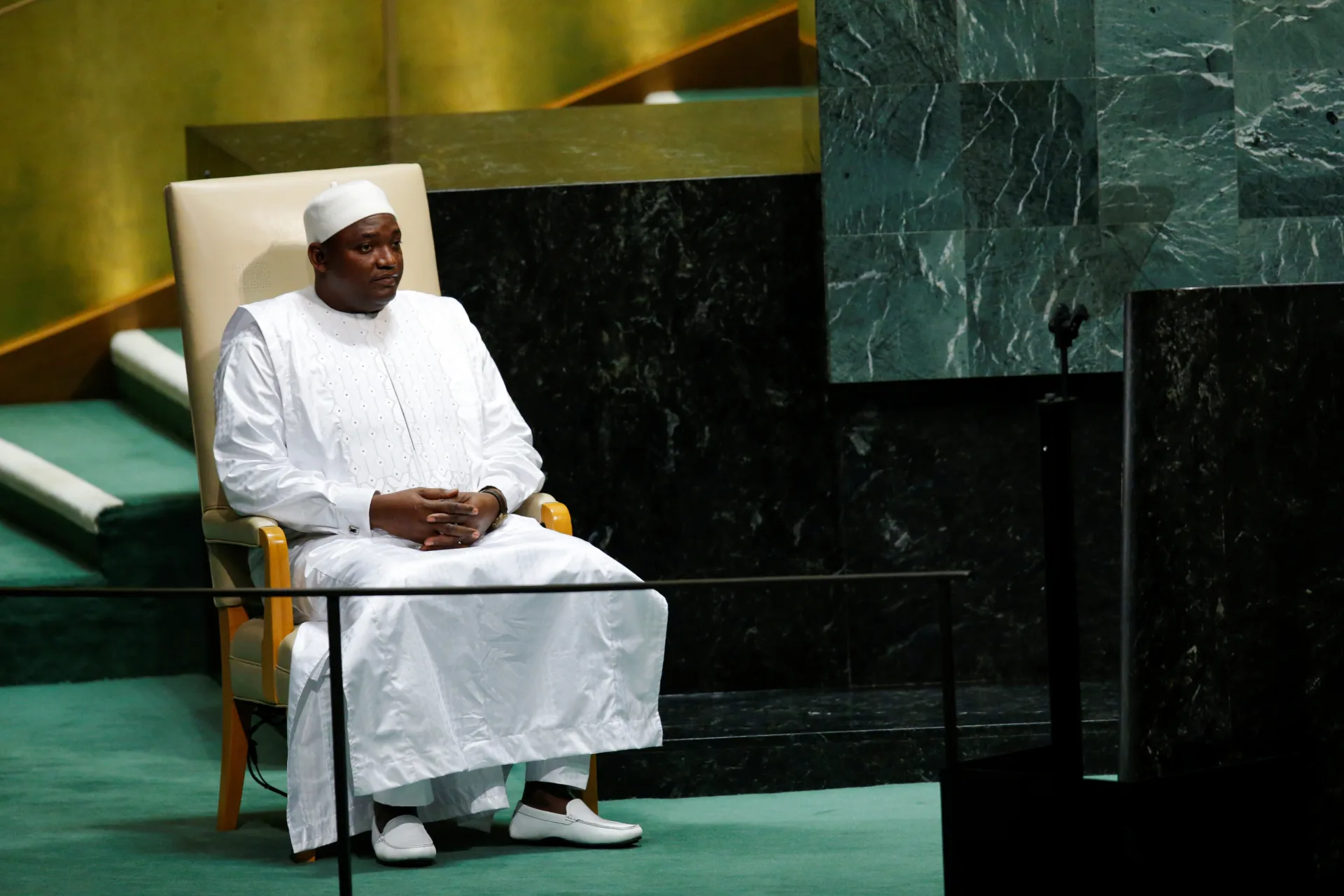

Foreign Policy & Diaspora Engagement
“Strengthening Global Partnerships, Empowering Gambians Everywhere”
Achievements (2022–2026)
The period from 2022 to 2026 marked a significant strengthening of The Gambia's international standing and its engagement with Gambians abroad. During these years, the government deepened partnerships, expanded diplomatic outreach, and positioned the diaspora as a central pillar in national development.
1. Strengthened Diplomatic Relations and International Cooperation
Reinforced The Gambia's active participation in ECOWAS, the African Union, the United Nations, and other regional bodies. Advanced peace, security, and development priorities through consistent attendance and representation at high-level international forums. Enhanced bilateral cooperation with key partners in West Africa, Europe, the Middle East, and Asia, securing support in areas such as energy, agriculture, migration management, and youth development.
2. Institutionalizing Diaspora Affairs
Operationalized the Gambia Diaspora and Migration Directorate, giving structure and direction to diaspora engagement across government. Improved coordination between embassies, consulates, and diaspora communities through formal communication channels and expanded outreach activities. Facilitated smoother remittance flows and more reliable financial-transfer systems, improving transparency and reducing cost burdens on diaspora families.
3. Support to Gambians Abroad
Strengthened consular services, including assistance with documentation, emergency support, and legal guidance in key host countries. Improved collaboration with diaspora associations to address welfare concerns and support community-led initiatives. Initiated groundwork for diaspora investment promotion, including policy frameworks for diaspora bonds and investment incentives.
4. Boosting The Gambia's Global Image
Promoted The Gambia's democratic credentials, peace record, and human rights commitments in international platforms. Expanded cultural and diplomatic visibility through events, partnerships, and international collaboration in sports, arts, and education.
The Way Forward (2027–2031)
From 2027 to 2031, the NPP will deepen global connections, protect Gambians abroad, and unlock the full development potential of our people worldwide.
1. Making the Diaspora a Central Development Partner
Launch a Diaspora Investment and Innovation Fund to attract diaspora capital into agriculture, tourism, ICT, and youth enterprises. Introduce Diaspora Bonds by 2029 to mobilize financial contributions for national infrastructure and strategic development projects. Create the Diaspora Skills Transfer Network, enabling Gambians abroad to contribute expertise to universities, hospitals, government agencies, and private-sector institutions. Take steps to ensure that Gambians abroad can participate effectively in the country's political process, including voting and running for office.
2. Strengthening Global Presence and Partnerships
Deploy Trade and Investment Attachés within key embassies to attract foreign investment and promote Gambian products abroad. Negotiate new bilateral agreements on labour mobility, training opportunities, technology transfer, and investment protection. Position The Gambia as a diplomatic hub for peace, migration dialogue, and climate diplomacy in the subregion.
3. Expanding Consular Services and Diaspora Protection
Modernize consular operations through digital platforms for passports, visas, and emergency assistance. Establish Diaspora Service Desks in countries with large Gambian populations to support legal, social, and employment-related matters. Strengthen cooperation with host countries to protect the rights and welfare of Gambians facing vulnerability abroad.
4. Promoting Return, Reintegration, and Investment at Home
Introduce a Return and Reintegration Support Package offering duty waivers, business-registration facilitation, and access to land or workspace for returning professionals and entrepreneurs. Support diaspora professionals in health, IT, engineering, and education to relocate or work periodically in The Gambia. Organize annual "Gambia Global Homecoming Week"—celebrating culture, investment, innovation, and national pride.
5. Enhancing Soft Power and National Image
Launch "Brand Gambia" to promote culture, heritage, tourism, and investment opportunities abroad. Partner with diaspora communities to host cultural festivals, business forums, and international engagement events. Support Gambian artists, athletes, and cultural ambassadors in showcasing Gambian excellence globally.
The diaspora remains one of The Gambia's greatest assets. From 2027 to 2031, the NPP will deepen global connections, protect Gambians abroad, and unlock the full development potential of our people worldwide.
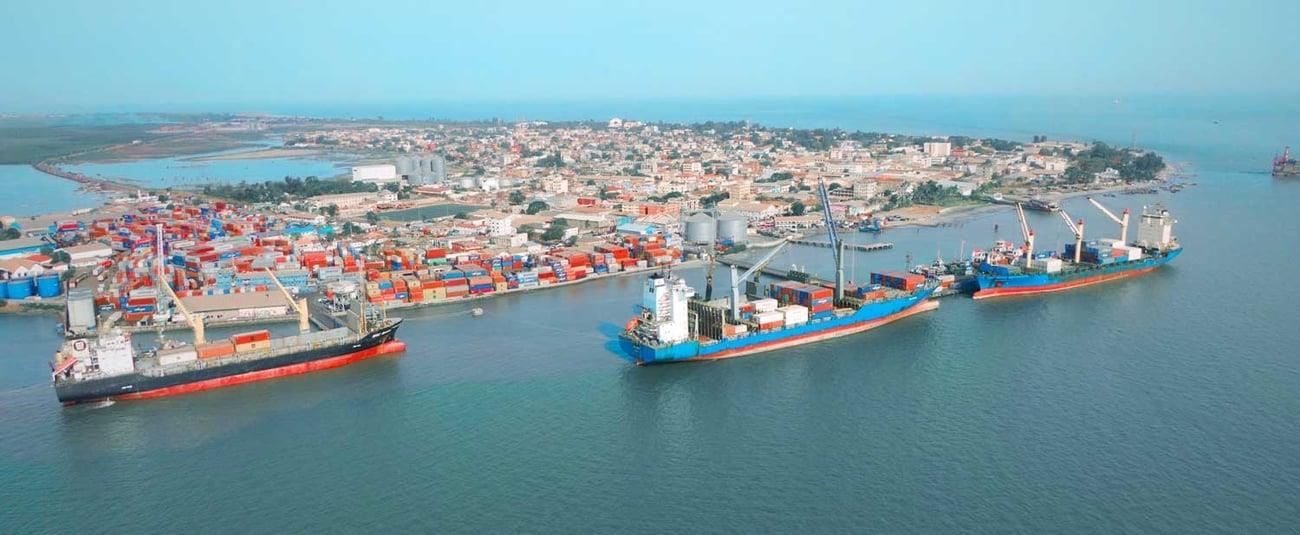
Economy & Jobs
“Expanding Opportunity, Creating Prosperity for Every Gambian”
Achievements (2022–2026)
During this period, The Gambia made steady progress toward building a more resilient, inclusive, and opportunity-driven economy. Despite global shocks from conflict, inflation, and supply disruptions, the NPP Government safeguarded growth, protected households, and expanded pathways for youth employment.
1. A more stable and resilient economy
The Government maintained macroeconomic stability through prudent fiscal management, debt restructuring efforts, and improved revenue administration. Inflation, though affected by global pressures, was contained through coordinated monetary and food-security interventions. Foreign exchange earnings improved as tourism, re-exports, digital services, and agriculture gradually recovered.
2. Expanding job creation for youth and women
Thousands of jobs were created through public infrastructure projects, MSME training, and skills programs across agriculture, construction, ICT, and services. National entrepreneurship schemes—including the Youth Enterprise Fund, NEDI programs, and women-focused financing schemes—supported start-ups and cooperatives. Skills training under GTTI/USET, TVET centers, and private-sector partnerships improved employability for young Gambians.
3. Strengthening private sector growth
The Government implemented business reforms through the GIEPA Single Window, simplifying registration, licensing, and investment procedures. MSMEs gained access to training, digital tools, and finance through programs supported by MOTIE, MoFEA, GIEPA, and development partners. Industrial zones and agro-processing support initiatives helped local producers access new markets.
4. Boosting productive sectors of the economy
Investments in agriculture, fisheries, transport, and energy improved productivity and reduced import dependence. Tourism recovery efforts revitalized the sector, supporting thousands of direct and indirect jobs. The digital economy expanded rapidly through ICT reforms, youth innovation programs, and mobile-money growth.
The Way Forward (2027–2031)
A dynamic, job-rich economy is central to the NPP's vision. From 2027 to 2031, the Government will pursue an ambitious and inclusive strategy that creates jobs, supports enterprises, boosts competitiveness, and expands prosperity across all regions.
1. Jobs, skills, and enterprise for every region
Create 75,000 new jobs through infrastructure projects, agribusiness expansion, industrial zones, and growth in ICT and tourism services. Establish a National Skills & Employment Authority to coordinate all youth training, apprenticeships, and job-matching services. Expand MSME financing and support—particularly for youth and women—through targeted grants, low-interest loans, and cooperative strengthening.
2. A stronger private sector and investment climate
Launch the Gambia Investment Reform Program to reduce barriers to business, expand industrial parks, and modernize customs and trade facilitation. Digitize all business registration and tax processes, including e-licensing and e-trade certificates. Support value-addition in agriculture, fisheries, and light manufacturing to boost exports and reduce imports.
3. Inclusive, region-wide economic transformation
Develop regional economic zones in Basse, Janjanbureh, Soma, and Farafenni—supporting logistics, manufacturing, and agro-processing. Upgrade markets, rural roads, and storage facilities to strengthen local commerce and cross-border trade. Expand financial inclusion through mobile-money interoperability and digital finance tools for farmers, traders, and small enterprises.
4. Youth and women at the center of economic growth
Launch a Youth Innovation & Employment Fund to support 1,000 new digital, creative, and green-economy start-ups. Expand women's cooperatives and provide land-lease access, tax incentives, and equipment support for women-led enterprises. Introduce region-specific jobs programs focusing on construction, fisheries, ICT, renewable energy, and creative industries.
5. A resilient and diversified national economy
Promote energy security, digital transformation, and agriculture-led industrialization as foundations for long-term economic resilience. Strengthen food production, tourism innovation, and export diversification to grow foreign exchange earnings. Enhance economic governance through transparent budgeting, performance reporting, and stronger public-private dialogue.
The NPP is committed to building an economy where every Gambian—young or old, rural or urban, at home or abroad—can work, earn, and prosper. By 2031, The Gambia will be a nation of expanding opportunity, skilled workers, thriving enterprises, and rising incomes, powered by a modern and inclusive economy. A stronger economy means a stronger Gambia—and a better future for every family.
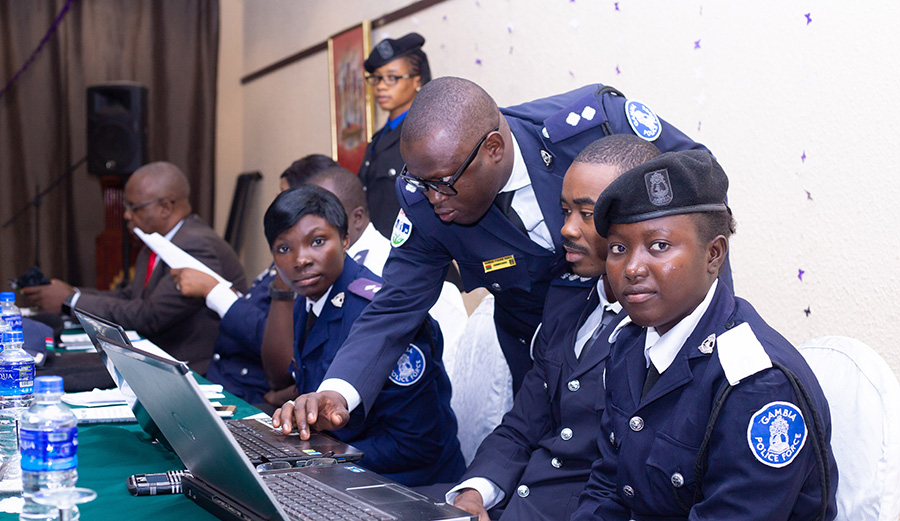

National Security & Justice
“Protecting Our People, Upholding the Rule of Law”
Achievements (2022–2026)
Recent reforms across the security and justice sectors have reinforced stability, modernized institutions, and improved the responsiveness of services to the community.
1. Strengthening Discipline, Professionalism & Capability
Implementation of key components of the Security Sector Reform (SSR) framework improved recruitment practices, training standards, and promotion procedures across security services. Security personnel underwent continuous training in human rights, gender sensitivity, early-warning systems, and community policing—supported by partnerships with ECOWAS, UNDP, and the EU. The Gambia Armed Forces enhanced its engineering, medical, and disaster-response capacities, providing support during floods and national emergencies.
2. Promoting National Peace, Safety & Internal Stability
The Gambia maintained its position as one of West Africa's most stable nations, with peaceful elections and growing civic tolerance. The National Peace Council (NPC) facilitated dialogue between communities, political actors, and civil society, helping prevent conflict escalation. Strengthened cross-border cooperation with Senegal, ECOWAS, and INTERPOL improved detection and prevention of trafficking, smuggling, and transnational crime.
3. Expanding Access to Justice & Advancing Legal Reform
Additional Magistrates' Courts and mobile courts were deployed to rural regions, bringing justice closer to underserved communities. Legal Aid services expanded, increasing access to representation for women, children, and low-income groups. Implementation of the Truth, Reconciliation and Reparations Commission (TRRC) recommendations continued, supporting national healing and accountability. Significant progress was made in digitizing court records, case management, and judicial workflows, improving transparency and efficiency.
The Way Forward (2027–2031)
The next phase advances safer communities, a more effective justice system, stronger borders, and modern, accountable security institutions.
1. Safer Communities Through Modern Policing
Scale up the Community Policing Program nationally, ensuring every police station has a trained Community Relations Officer by 2028. Establish regional Smart Command Centres equipped with CCTV integration, crime-mapping tools, and emergency response hotlines. Increase the number of female police officers and strengthen gender desks to better handle domestic and sexual-violence cases. Construct new police barracks and staff housing to enhance welfare, morale, and discipline.
2. A Justice System That Works for Everyone
Complete the Judicial Modernization Program, digitizing all courts and providing online access to case information by 2030. Introduce Fast-Track Courts for commercial disputes, traffic offenses, and corruption-related cases. Expand Legal Aid coverage nationwide to ensure equitable access to justice. Transform the Prisons Service into a Correctional & Rehabilitation Service, prioritizing education, skills training, and reintegration programs.
3. Defending Borders & Safeguarding National Sovereignty
Deploy modern surveillance tools—including drones, mobile scanners, and digital monitoring—along land and maritime borders. Strengthen collaboration with Senegal, ECOWAS, and the African Union to combat human trafficking, cybercrime, and terrorism. Improve intelligence coordination to ensure all security institutions operate under clear legal mandates and democratic oversight.
4. Advancing Human Rights, Peace & Accountability
Fully operationalize the National Human Rights Commission, ensuring its recommendations guide reforms across government institutions. Continue implementing the TRRC Accountability & Reparations Programme, with transparent reporting and international support. Institutionalize periodic Peace & Unity Forums, promoting civic education and inter-community dialogue. Expand early-warning systems and regional peace committees to prevent local conflicts before they escalate.
5. Smart Security & Community Partnership
Roll out the Safe City Initiative in Banjul, Brikama, and key urban centers—integrating smart surveillance, traffic monitoring, and rapid-response units. Establish Local Security Advisory Councils to foster trust and regular consultation between citizens and law enforcement. Introduce secure digital ID verification tools to improve policing, border control, and crime detection.
The NPP is committed to a safer, more just, and more secure Gambia—one where every citizen is protected, every community feels at peace, and the rule of law stands strong. By 2031, The Gambia will remain one of Africa's safest and most stable nations—where justice is accessible to all and security institutions serve with professionalism, dignity, and accountability.
Environment, Climate Change & Natural Resources
“Protecting Our Environment, Securing Our Future”
Achievements (2022–2026)
Between 2022 and 2026, The Gambia made significant progress in climate action, environmental protection, and sustainable resource management. Policies were modernized, institutions strengthened, and communities empowered to respond to growing environmental threats.
1. Stronger Climate Policies and National Commitment
Finalisation and implementation of national climate frameworks, including the National Climate Change Policy and the Long-Term Climate-Neutral Development Strategy. Adoption of the Nationally Determined Contribution (NDC) Implementation Plan (2021–2030), supporting climate-resilient agriculture, energy transition, waste management, and land-use reforms. The Gambia continued to rank as one of the few African countries with a 1.5°C-compatible emissions pathway, reflecting ambitious and credible climate action.
2. Improved Environmental Governance and Institutional Capacity
Strengthened the Ministry of Environment, Climate Change and Natural Resources with updated strategies for biodiversity management, resource planning, and environmental monitoring. Expanded community awareness programs on climate risks, with surveys showing that more than 70% of Gambians consider climate action a national priority. Progress in protected-area management, including conservation initiatives in forests, wetlands, and coastal zones.
3. Resilience in Communities, Coasts, and Farmlands
Pilot coastal protection initiatives involving mangrove restoration, shoreline reinforcement, and erosion-control measures. Support to climate-smart agriculture, including salt-intrusion mitigation, irrigation upgrades, and climate-resilient seed distribution. Expansion of early-warning communication channels for floods and storms in vulnerable areas.
4. Waste Management and Green Economy Initiatives
New municipal waste-collection routes, community clean-up campaigns, and pilot recycling activities in major towns. Expansion of renewable-energy adoption in schools, health facilities, and community centers.
The Way Forward (2027–2031)
The next phase focuses on stronger climate resilience, cleaner cities, greener growth, and protected natural ecosystems.
1. Climate-Resilient Communities, Coasts, and Agriculture
Launch a National Coastal Protection Programme with seawalls, dune restoration, mangrove rehabilitation, and strict setback enforcement in high-risk zones. Promote access to climate resilient seeds, irrigation solutions, soil salinity treatments, and improved extension services by smallholder farmers. Establish a National Climate Risk Early-Warning Network linking meteorology, SMS alerts, and community climate volunteers.
2. Renewable Energy and the Green Economy Transition
Triple renewable-energy generation (solar, wind, biomass) by 2031 and encourage use of off-grid solar kits for rural households. Introduce a Green Industry Incentive Scheme offering tax breaks and capacity support for recycling, eco-tourism, clean-energy manufacturing, and nature-based enterprises. Phase out single-use plastics and install recycling infrastructure in major towns, aiming for an 80% reduction in plastic leakage by 2031. Encourage use of organic fertilizers by farmers.
3. Natural Resource Protection and Biodiversity Conservation
Declare three new protected areas, including marine reserves, by 2031. Launch a National Reforestation & Landscape Restoration Initiative targeting 100,000 hectares of degraded land by 2031, with youth and women's groups playing central roles. Strengthen land-use enforcement to curb illegal logging, unregulated sand mining, and harmful land conversion.
4. Transparent Environmental Governance and Public Accountability
Establish an Environmental Data Portal (data.environment.gm) by 2031 to publish real-time information on pollution, permits, forest cover, and concessions. Enact and enforce a Revised National Environment Management Act to ensure stronger environmental safeguards, mandatory impact assessments, and penalties for non-compliance.
5. Youth, Women, and Communities in Environmental Action
Strengthen the Youth & Green Innovation Fund to support eco-entrepreneurship, recycling, climate tech, and sustainable agriculture. Ensure that women hold at least 50% of environmental-program leadership positions by 2031. Institutionalize quarterly Community Green Days: coastal clean-ups, tree-planting, urban beautification, and anti-littering campaigns.
The NPP is committed to a Gambia where development and environmental protection advance together. By 2031, The Gambia will be visibly greener, biodiverse, more climate-resilient, cleaner, and environmentally secure: ensuring our children inherit a nation rich in natural beauty, safe communities, and sustainable opportunities.
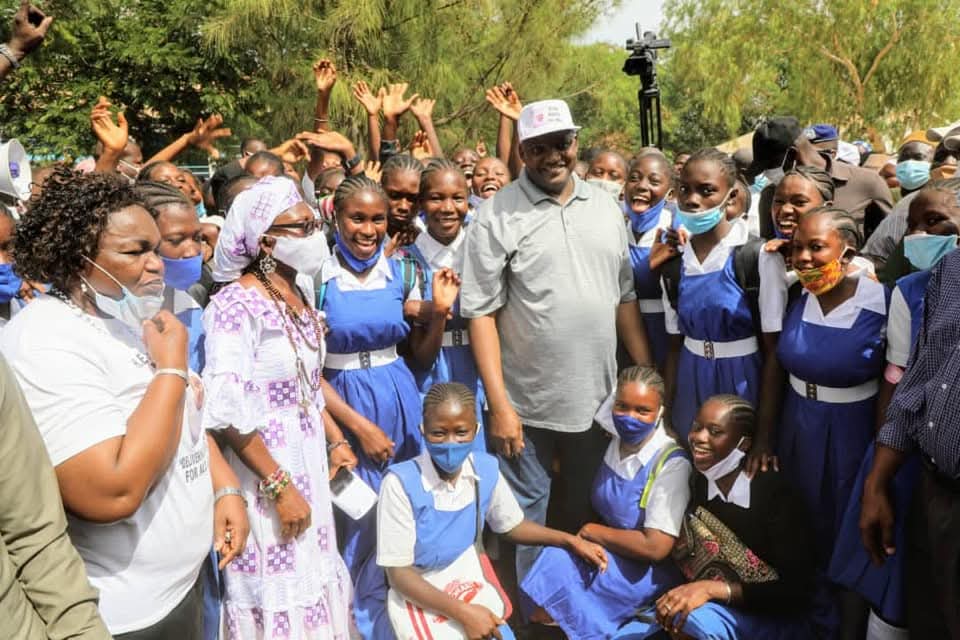
Education, Skills & Human Capital Development
“Building the Minds That Build the Nation”
Achievements (2022–2026)
Under the leadership of President Adama Barrow, The Gambia expanded access to education, improved learning environments, strengthened technical and vocational training, and invested in human capital as the foundation of national development.
1. Expanding Access and Improving Learning Environments
Across the period, 424 new schools were built and 6,400 classrooms added nationwide. Each year over 500 new classrooms and 100 early-childhood centers were constructed or rehabilitated across the country, reducing overcrowding and increasing access for rural learners. National enrollment increased, with notable gains in girls' education and improved retention at lower and upper basic schools. The School Feeding Programme expanded, providing daily meals to more than 150,000 pupils, improving attendance, nutrition, and concentration.
2. Curriculum Reform & Teacher Development
Introduction and rollout of the Competency-Based Curriculum (CBC) strengthened critical thinking, creativity, digital literacy, and life skills. Teacher-training colleges were upgraded, and continuous professional development programs were expanded to improve teacher quality and deployment. A new Teacher Management Information System (TMIS) enhanced tracking of teacher performance, placement, and professional growth.
3. Strengthening Technical, Vocational & Higher Education
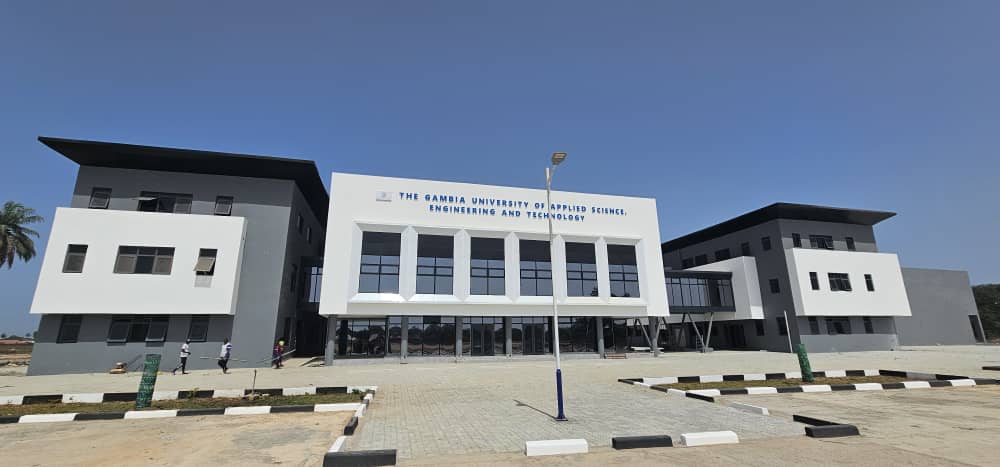
GTTI was upgraded to the University of Applied Science, Engineering and Technology (USET), broadening access to engineering, ICT, and technical programs. TVET centers were expanded nationwide, offering skills training in renewable energy, construction, ICT, agriculture, and hospitality. Scholarships increased for Gambians pursuing medicine, engineering, and science both at home and abroad. National Qualifications Framework (NQF) implementation improved the quality and recognition of skills training.
4. Education Governance & Institutional Strengthening
The Education Management Information System (EMIS) improved data-driven planning and monitoring. The Education Sector Policy 2022–2031 aligned national learning goals with SDG 4 and long-term human capital needs. Education spending rose to over 20% of the national budget, underscoring strong policy commitment.
The Way Forward (2027–2031)
The next phase delivers quality education and skills for every Gambian—through stronger schools, empowered teachers, modern technical training, expanded higher education, and inclusive learning for all.
1. Expanding Quality Education for All Regions
Achieve universal completion of lower-secondary education by 2031. Reduce the student–teacher ratio from 45:1 to 30:1 through recruitment, training, and better incentives. Modernize classrooms with electricity, water, and digital tools; ensure every lower-secondary school has a computer lab by 2029. Launch nationwide Reading and Numeracy Improvement Campaigns to raise foundational learning outcomes.
2. Transforming Teachers into Leaders of Learning
Introduce the National Teacher Excellence Programme, including performance-based incentives and career advancement pathways. Review and upgrade teacher compensation packages to attract and retain skilled professionals. Establish a Teacher Innovation Fund supporting classroom research, digital teaching tools, and creative pedagogy.
3. Expanding Technical & Skills Training for a New Economy
Strengthen the TVET network in every region, aligning training with real labor-market needs. Partner with the private sector to train 50,000 young people in construction, renewable energy, ICT, agribusiness, and digital services by 2031. Launch Skill Gambia Scholarships for young women in science, engineering, technology, and mathematics. Expand apprenticeships and on-the-job training through local industries.
4. Advancing Higher Education & National Research Capacity
Upgrade UTG into a research-led university, with strong faculties in public health, agriculture, engineering, and digital technology. Establish a National Research & Innovation Fund to support applied research in agriculture, renewable energy, climate adaptation, and health. Promote new university partnerships and private higher education investments.
5. Digital Learning and Innovation for All
Implement the Smart Schools Programme, connecting schools to broadband and providing e-learning infrastructure. Launch EduCloud, a national e-library accessible to students and teachers across the country. Integrate coding, robotics, and digital literacy into the curriculum from Grade 7 upward. Work with private partners to provide affordable devices—laptops, tablets, smart learning kits.
6. Inclusive & Equitable Education for All Learners
Expand support for children with disabilities through specialized teachers, inclusive infrastructure, and assistive technology. Strengthen adult literacy programs targeting rural women and out-of-school youth. Continue supporting Islamic and faith-based schools with curriculum alignment and teacher training while respecting cultural and religious values.
The NPP believes that education is the gateway to opportunity, dignity, and prosperity. By 2031, every Gambian child will learn in a safe, modern, and inclusive classroom—and every graduate will possess the skills needed to thrive in a growing, competitive economy.
Energy & Infrastructure
“Powering Growth, Connecting Communities”
Achievements (2022–2026)
Over the five-year period under review, The Gambia recorded major progress in improving national electricity access, expanding transport and public infrastructure, strengthening water and sanitation systems, and laying the groundwork for a modern, competitive economy. Through coordinated investments and strong partnerships, the country advanced toward universal energy access and better national connectivity.
1. Expanding Access to Reliable, Affordable Electricity
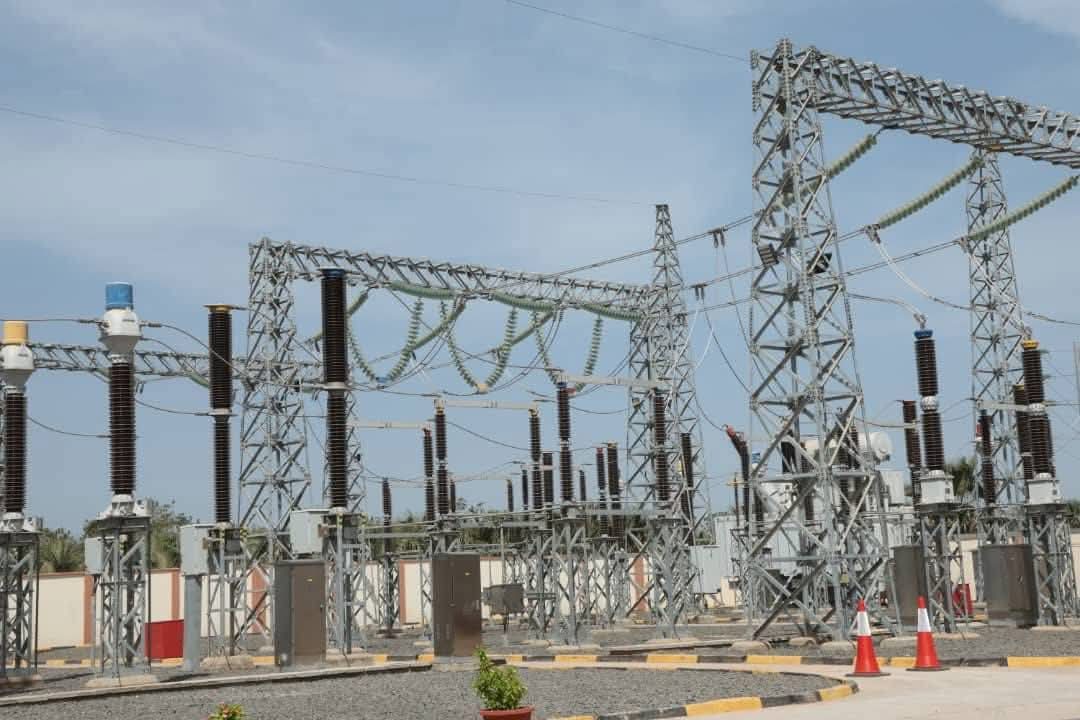
National electricity access rose from 65% in 2023 to 90% by early 2026—with 719 villages connected and 100% access targeted by end-2026—through grid expansion, new substations, and rehabilitation of transmission and distribution lines. The 23 MW Jambur Solar PV Plant was inaugurated, boosting renewable energy generation and reducing national reliance on heavy fuel generation. Under the OMVG Interconnection Project, new substations in Soma, Brikama, and Salagi were commissioned, enabling regional power exchange and improving supply stability nationwide. The transmission backbone was strengthened through hundreds of kilometres of upgraded lines, reducing outages and improving rural connectivity. Prepaid metering expanded across the country, improving revenue collection and customer management.
2. Advancing the Renewable Energy Transition
Utility-scale solar projects were launched or advanced, including Feasibility Studies for solar plants in Jarra Soma, Basse, Farafenni, and other sites. Solar mini-grids were expanded to rural communities, bringing first-time electricity access to health posts, schools, and farming zones. Solar systems were installed in dozens of public facilities—water boreholes, health centres, remote schools, and agricultural processing sites—expanding energy access and reducing operating costs.
3. Modernizing Roads, Bridges & National Transport Networks
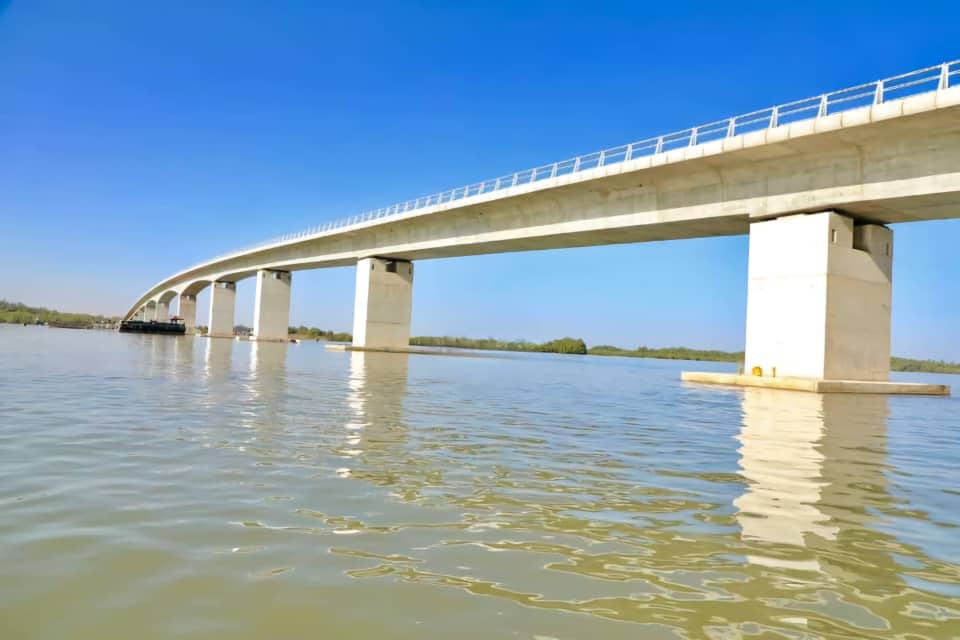
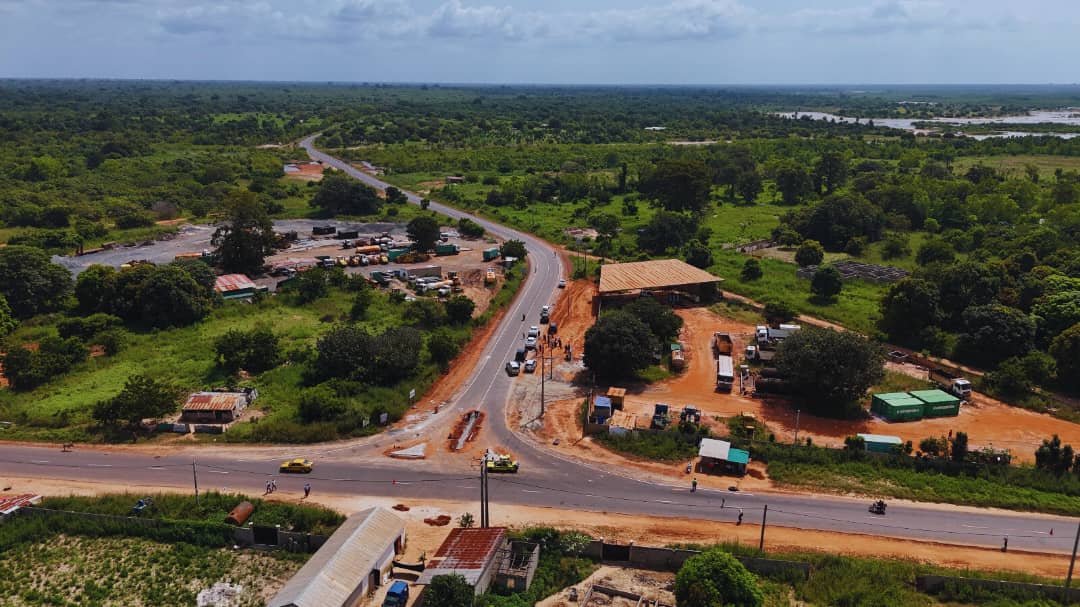
Over 1,200 km of roads have been constructed since 2017, with a further 375 km due for completion by end-2026. Major highways—including the Bertil Harding Highway, North Bank Road sections, and key regional corridors—were upgraded or rehabilitated, improving safety and regional connectivity. Construction of new bridges and feeder roads improved rural access, enabling farmers, traders, and communities to reach markets more easily. Urban road upgrades reduced travel time across Greater Banjul, supported tourism mobility, and eased congestion.
4. Strengthening Water Supply & Sanitation Infrastructure
The Gambia undertook major water-supply expansions, drilling new boreholes, constructing elevated tanks, and modernizing distribution systems nationwide. Water production and access increased across GBA and rural settlements through investments made under NAWEC's Water Supply Improvement Projects. Sanitation systems, including sewage upgrades and waste-management investments, improved health outcomes and environmental safety.
5. Upgrading Public Infrastructure & Social Facilities
Markets, hospitals, schools, sports facilities, and administrative buildings were constructed or rehabilitated across the country. The Banjul Infrastructure Project improved drainage, roads, and environmental protection in the capital. Feeder road networks expanded, strengthening agriculture, trade, and mobility in rural areas.
The Way Forward (2027–2031)
The next phase delivers universal electricity, accelerates renewables, modernizes transport, and expands water, sanitation, and economic infrastructure nationwide.
1. Universal Access to Affordable, Reliable Electricity
Achieve universal electricity access by expanding the grid to the few remaining unserved communities. Complete the national Transmission Backbone Reinforcement Programme, reducing outages and losses. Scale up prepaid metering and modern customer management to improve service reliability and transparency. Expand the utility's capacity for maintenance, grid management, and outage response.
2. Accelerating the Renewable Energy Transition
Increase the share of renewables to at least 50% of national generation by 2031. Construct new solar plants in Soma, Farafenni, Basse, and other strategic sites. Deploy solar home systems and mini-grids to all off-grid regions and remote communities. Promote private investment through Independent Power Producer (IPP) frameworks for solar, wind, and biomass energy.
3. A Modern, Connected National Transport Network
Complete the National Roads Upgrade Programme: rehabilitating highways, feeder roads, and urban roads across all regions. Expand bridges and river-crossing infrastructure to reduce transport bottlenecks and promote national integration. Upgrade public transport systems and support low-emission mobility solutions. Modernize key logistics corridors to support trade, agriculture, and tourism.
4. Clean Water and Improved Sanitation for Every Community
Implement a nationwide Water Security & Sanitation Master Plan to ensure safe drinking water across rural and urban areas. Construct modern sewage and wastewater-treatment facilities, beginning in Greater Banjul Area and key urban centers. Expand solar-powered boreholes and community water systems to reduce energy costs and improve sustainability.
5. Infrastructure for Economic Transformation
Establish modern industrial zones with reliable electricity, water, and digital infrastructure. Upgrade markets, cold-chain systems, and logistics hubs to support agriculture and trade competitiveness. Expand youth and women infrastructure access—including processing centres, business parks, and training facilities.
6. Strengthening Local Construction Capacity & Jobs
Promote "Build Gambian First" procurement policies that prioritize local contractors and skilled labour. Expand training in construction trades, electrical engineering, welding, and heavy-equipment operations. Establish a national certification system to support higher standards in building and civil works.
Energy and infrastructure are the backbone of development—powering homes, connecting communities, and driving economic growth. By 2031, every Gambian will benefit from reliable electricity, safer roads, clean water, and modern public facilities—building a nation that is stronger, more connected, and ready for the future.

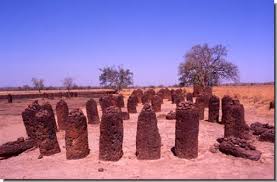
Tourism, Culture & The Creative Industry
“Showcasing Our Nation, Empowering Our People”
Achievements (2022–2026)
The tourism and creative industries sectors have benefitted from targeted reforms and investments that enhanced competitiveness, expanded opportunities, and strengthened cultural expressions.
1. Tourism Recovery, Growth, and Diversification
The tourism sector rebounded steadily following global disruptions, with air arrivals climbing from 162,075 in 2017 to 206,836 in 2023—recovering strongly from a pandemic-era low of 89,232 in 2020—alongside improved hotel occupancy and renewed investor interest. The Gambia was ranked among the four fastest-growing emerging tourism destinations globally, enhancing the country's international profile. Domestic tourism initiatives expanded local participation and encouraged year-round travel.
2. Improved Policy Coordination and Institutional Strengthening
Collaboration among MoTAC, GTBoard, GTHI, and NCAC improved strategic sector planning and service delivery. Progress continued on the Tourism Development Master Plan (2021–2030), guiding spatial development, product diversification, and investment promotion. Public–private partnerships advanced infrastructure upgrades and environment-friendly tourism development.
3. Empowering Communities, Youth, and Women
Community-based tourism expanded along the river, in heritage towns, and in cultural hubs—creating jobs and empowering local groups. MSMEs, particularly youth- and women-led enterprises, received grants, training, and market access support. GTHI enhanced training in hospitality, culinary arts, tour guiding, and creative production.
4. Strengthened Tourism Products and Infrastructure
Construction and rehabilitation of eco-lodges, craft markets, and key access roads enhanced the visitor experience. Pilot development of cultural trails, river tourism, and nature-based attractions broadened the tourism offering beyond the coastline.
5. Promotion of Culture and the Creative Economy
The revival and expansion of major cultural festivals—including the Kankurang Festival—strengthened cultural preservation and tourism appeal. Support for artisans increased the production and marketing of traditional crafts and heritage-based creative goods. Gambian cuisine gained visibility through new gastronomy initiatives and regional culinary showcases.
The Way Forward (2027–2031)
The next five-year phase will transform The Gambia into a more inclusive, innovative, culturally vibrant, and globally competitive tourism and creative industry destination.
1. Community-Centered Tourism for Shared Prosperity
Develop regional tourism hubs in Barra, Soma, Janjanbureh, and Basse to distribute benefits nationwide. Ensure at least 30% of new sector jobs and enterprises are held by Gambian youth and women. Strengthen community tourism cooperatives and provide equipment, training, and market linkages.
2. Cultural Renaissance & Creative Industry Growth
Modernize museums, heritage monuments, and cultural centers with digital archives and improved visitor services. Establish a Creative Industry Fund to support artists, filmmakers, musicians, designers, writers, and cultural entrepreneurs. Integrate Gambian storytelling, crafts, music, and gastronomy into national tourism branding.
3. Eco-Tourism & Sustainable Development
Expand eco-lodges, mangrove and wildlife experiences, and river-based tourism circuits. Launch a Green Tourism Fund to support solar adoption, waste reduction, and environmental certification for tourism businesses. Promote sustainable tourism practices that protect biodiversity and coastal ecosystems.
4. Quality, Connectivity & Visitor Experience
Upgrade access roads, utilities, internet connectivity, and safety standards in key tourism zones. Expand GTHI training programs to raise standards in hospitality, customer service, and creative production. Establish tourism safety and rapid-response units to support a secure visitor environment.
5. Marketing, Investment & Innovation
Relaunch a modernized Visit The Gambia campaign using digital marketing, regional presence, and diaspora engagement. Simplify investment procedures and promote tourism enterprise zones for responsible investors. Support digital transformation in marketing, booking, and payment systems for tourism operators.
6. Governance, Skills Development & Institutional Reform
Establish a National Tourism & Creative Arts Skills Academy for advanced training in hospitality, film, music, design, and cultural production. Strengthen transparency and benefit-sharing mechanisms within the tourism value chain. Enhance coordination among MoTAC, GTBoard, NCAC, GTHI, councils, and private-sector associations.
The NPP envisions a tourism and creative industry that celebrates our heritage, empowers our people, protects our environment, and drives inclusive national development. By 2031, The Gambia will stand as a leading cultural and eco-tourism destination in West Africa—where creativity thrives, communities benefit, and every visitor experiences the warmth of our people.
ICT & Digital Transformation
“Connecting Every Gambian to the Future”
Achievements (2022–2026)
Digital transformation became a central tool for better governance, stronger business, and wider opportunity. ICT policy focused on improving connectivity, modernizing public services, and building trust in digital systems so that technology works for people, not just institutions.
1. Modern Digital Governance and National ICT Policy Reform
The NPP administration delivered the most comprehensive digital policy transformation in national history—introducing more than 25 major ICT strategies, policies and legal frameworks to modernize governance, strengthen institutions, and expand digital adoption. Major reforms include: Development and adoption of the E-Government Strategy, guiding the transition to full digital governance; Implementation of the National Broadband Policy, expanding broadband coverage and penetration nationwide; Establishment of the Government Open Data Strategy to improve transparency and expand innovation opportunities; Introduction of the National Cybersecurity Policy, Cybersecurity Strategy, and national CSIRT and digital forensics capacity; Development of the National Digital Economy Master Plan with over 10 flagship programmes for economic transformation; Adoption of Infrastructure Sharing Regulations to reduce duplication, strengthen competition, and lower deployment costs; Development of the National Digital ID and Transformation Strategy, laying the foundation for secure digital identities for all citizens; Implementation of the Government Cloud Policy & Hosting Strategy, improving the security and efficiency of government systems; Validation of the National Data Policy, positioning data as a strategic national asset; Completion of the National Spectrum Assessment and Strategy, enabling efficient spectrum use; Establishment of the Critical Information Infrastructure Protection (CIIP) policy and training for 25 critical institutions; Enactment of the Personal Data Protection and Privacy Act, the first national privacy framework; Development of the Cybercrime Bill (2024) now tabled for enactment at the National Assembly; Development of the National Emergency Telecommunications Plan (NETP) and the National Dig-Once Policy to strengthen resilience and reduce infrastructure costs; National Postal and Courier Service Policy and modernization plans for GAMPOST; Drafting of the National Artificial Intelligence (AI) Policy, guiding ethical AI adoption. These reforms established national digital trust, improved coordination, strengthened regulatory certainty, and laid the groundwork for a secure and inclusive digital society.
2. Expanding Connectivity, Infrastructure & Sector Restructuring
The Government made significant progress in building modern infrastructure to support universal connectivity and economic transformation. Key achievements include: Increased mobile penetration to 113%, one of the highest in the region; Launched Gamtel's Next-Generation Broadband Digital Transformation Project to deliver a national core network backbone scalable to 800GbE—this expands fiber and broadband access, supports GSMs and ISPs, and accelerates digital inclusion across The Gambia; Launch of the US$25 million Second Submarine Cable Project under WARDIP to enhance redundancy and reliability; Procurement of a mobile spectrum monitoring van for PURA to strengthen interference detection and spectrum management; Completion of 100% digital addressing in Banjul and Kanifing, with more than 194,000 properties mapped in West Coast Region; Establishment of the National Digital Addressing Database, improving local revenue collection and urban management; Near-completion of GovNet, the secure Government Wide Area Network (90% configuration done); Upgrade of the national e-Gov Data Centre to improve hosting reliability and security; Operational deployment of the Quality of Experience (QoE) monitoring tool for telecoms regulation; Advancements in reclaiming management of .gm, including governance policies, staffing and infrastructure procurement; Implementation of ECOWAS Free Roaming, with 95% completion with Ghana and 70% with Sierra Leone; Full nationalization of the National Switch, strengthening financial inclusion and lowering transaction costs.
3. E-Government & Citizen-Centred Service Delivery
Public services are becoming more efficient, accessible, and transparent through digital transformation. Key achievements include: Digitization of tax administration through the new Integrated Tax Administration System (ITAS), e-invoicing, and digital tax stamps; Deployment of the Government Email Platform, with more than 5,000 secure official accounts; Development and hosting of 30+ government websites, making information accessible to the public; Integration of the MYGOV platform (births, ID, passport, licensing, business registration) ready for launch; Deployment of the Government Information Portal and App (gambia.gov.gm) integrating information from 20 ministries; Expansion of the Government LTE Network, doubling active cell sites and providing connectivity to 1,200+ users; Establishment and operationalization of The Gambia ICT Agency (GICTA) to coordinate national ICT transformation; Introduction of the GICTA Enterprise Architecture Framework to ensure interoperability across public systems.
4. A Growing Digital Economy
The digital economy expanded rapidly through targeted reforms, new partnerships, and support to innovation. Key achievements include: Establishment of the Ministry of Communication and Digital Economy (MoCDE) to lead national digital strategy; Expansion of MSME participation via the WE-Elevate programme, supporting 110 women-owned businesses; Completion of the Digital Readiness Assessment Report, benchmarking national maturity; Strengthened global cooperation through MOUs with Estonia, Mauritius, Saudi Arabia, Nigeria, SDAC, Senegal, and others; Licensing of new ISPs and fixed-line operators including NU Voice, YCELL, B-SAT, and DK Telecom, expanding competition and access.
The Way Forward (2027–2031)
Building on a strong foundation, the NPP commits to a bold digital agenda that strengthens infrastructure, accelerates service delivery, supports innovation, and positions The Gambia as a regional digital hub.
1. Digital Nation Infrastructure
Expand the national fibre backbone to all regions. Secure a second international submarine cable for redundancy. Implement a unified national digital payment platform through the National Switch. Connect all commercial banks to the National Switch. Introduce phased 5G rollout in high-demand urban zones. Reduce data costs and expand rural mobile broadband. Provide public Wi-Fi in schools, hospitals, government offices and community centres. Complete 50% national digital addressing rollout by 2031. Transform GAMPOST into a fully digital postal and logistics service with parcel tracking and e-commerce capabilities.
2. Digitalizing Government Services (MYGOV+)
Fully digitalize 80% of high-volume government services by 2031. Launch the National Digital ID as the main identity verification platform. Establish a secure National Digital Payment Gateway for taxes, fees and utilities. Digitize key sectors: Health—national health information system, digital medical records, telemedicine; Education—nationwide e-learning and digital school management systems; Justice—e-filing, virtual hearings, and digital case workflows.
3. Innovation, Entrepreneurship & Youth Empowerment
Establish a National ICT Tech Park and three Regional Innovation Hubs. Integrate coding, robotics and digital literacy across the national curriculum. Expand large-scale digital skills programmes for youth, civil servants and citizens. Support MSMEs through e-commerce platforms and payment integration. Implement the National AI Strategy for ethical and productive AI use.
ICT will remain a central driver of economic growth, efficient public service, and national inclusion. By 2031, The Gambia will be a fully connected nation where a majority of citizens have access to digital services, broadband connectivity, and opportunities in a thriving digital economy. Through sustained investment and inclusive innovation, the NPP will ensure that technology works for every Gambian.
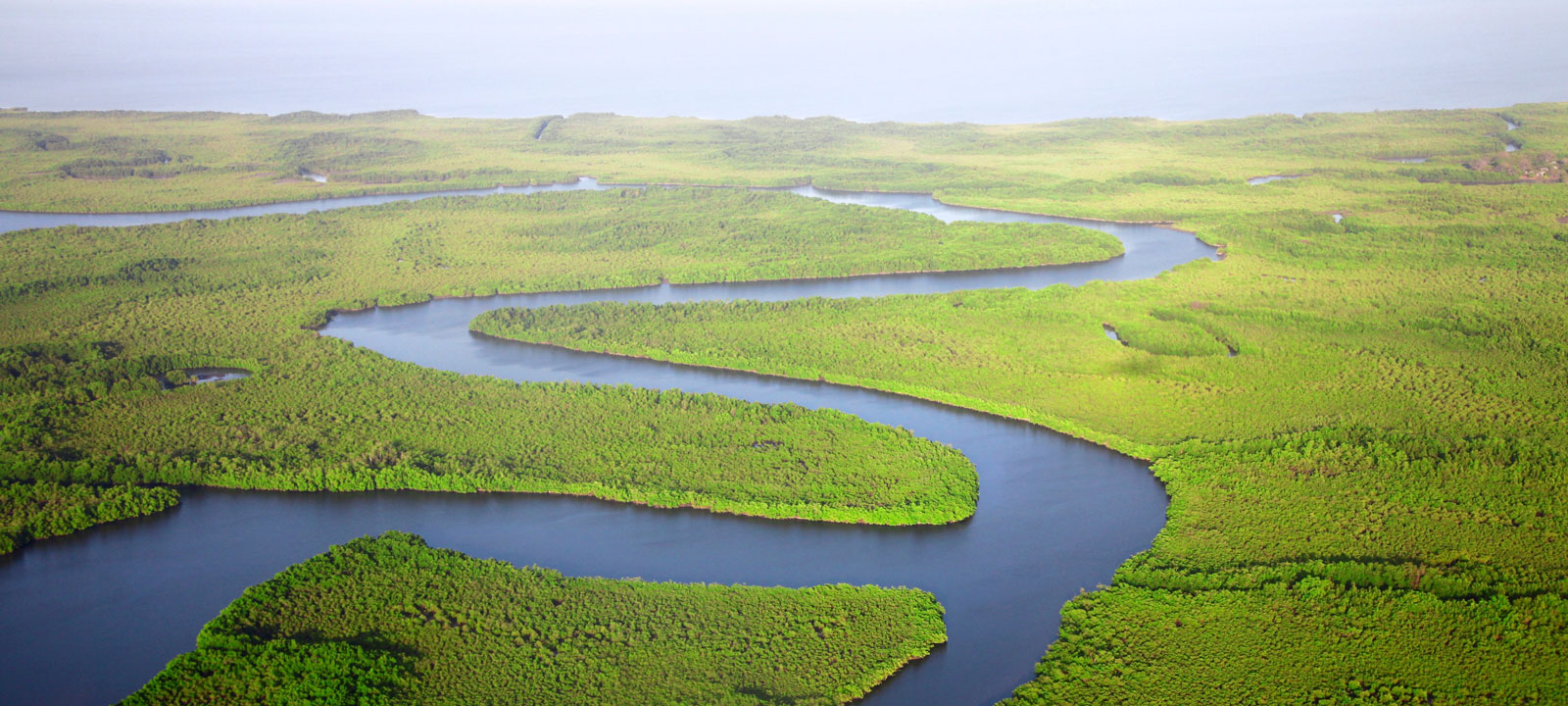
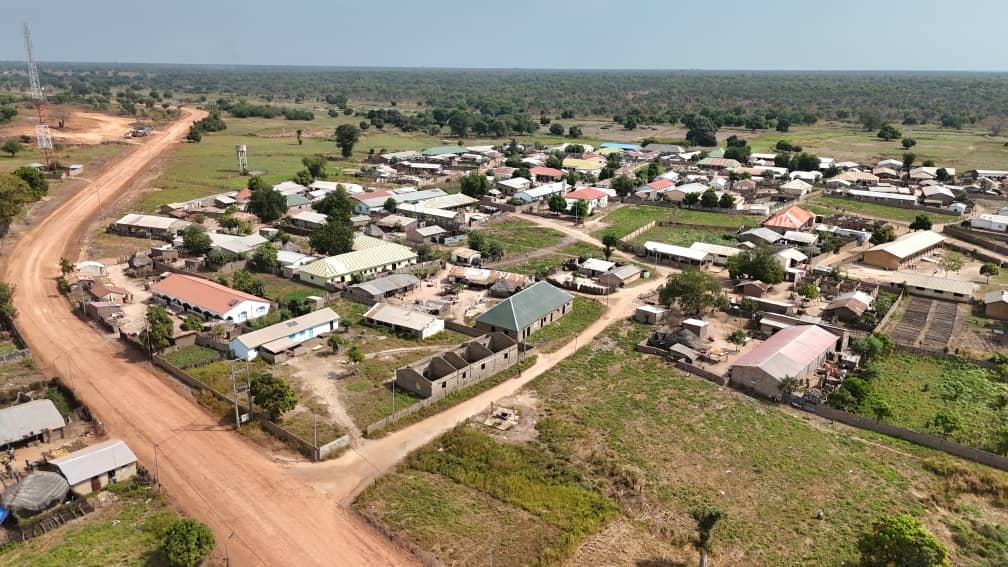
Land Management & Housing
“Secure Land, Affordable Homes, Stronger Communities”
Achievements (2022–2026)
Land administration reforms, new housing initiatives, and improved planning frameworks have contributed to more orderly development and public access to essential services.
1. Modernizing Land Administration and Strengthening Institutions
The Government finalized the National Land Policy (2025–2035), establishing a coherent framework for land governance, tenure security, and sustainable land use. The Ministry of Lands, Regional Government and Religious Affairs (MoLRGRA) was strengthened through new guidelines, improved coordination mechanisms, and expanded oversight capacity. A national Land Information System and digital cadastral mapping were initiated, creating a modern foundation for accurate land records, transparent transactions, and reduced disputes. The Government also introduced Certificates of Customary Ownership, enhancing tenure security in rural communities.
2. Fair and Transparent Land Allocation and Acquisition
A comprehensive Public Land Allocation and Acquisition Framework was designed to ensure fairness, clarity, and predictability in how public land is managed. Zoning regulations and development control procedures were updated to strengthen urban planning, protect public spaces, and curb unplanned settlements. Local Government Authorities received enhanced support and clearer responsibilities, improving land administration and community-level planning.
3. Expanding Affordable Housing and Promoting Local Materials
The Government launched the National Affordable Housing Programme, which envisages up to 200,000 new affordable housing units through phased development. Initial project sites were identified, land was secured, and preparatory infrastructure planning was undertaken. Work advanced on establishing a National Housing and Mortgage Finance Scheme, designed to expand homeownership opportunities for civil servants, youth, middle-income households, and vulnerable families. The Government also promoted the use of local, climate-resilient building materials, encouraging innovation in the construction sector and reducing import dependence.
The Way Forward (2027–2031)
The next phase advances secure land rights, affordable housing, planned urban growth, and empowered local governance for every Gambian community.
1. Strengthening Land Governance, Security, and Digital Systems
The Government will fully operationalize the National Land Policy, completing digital cadastral mapping nationwide and ensuring that every land parcel has a secure and verifiable digital record. A modern National Land Information System (NLIS) will integrate all land services—registration, titling, valuation, and dispute resolution—into a single platform accessible to citizens, investors, and Local Government Authorities. Customary land rights will be further protected through expanded issuance of Certificates of Customary Ownership and fully empowered District Land Boards.
2. Expanding Affordable Housing and Access to Finance
By 2031, the Government will deliver a major scale-up of the National Affordable Housing Programme, completing new estates in every region and enabling thousands of families to access secure, affordable homes. A National Housing and Mortgage Finance Corporation will be established to provide long-term financing, low-interest mortgages, rent-to-own schemes, and housing subsidies for low- and middle-income households. Public-private partnerships will be leveraged to accelerate construction, expand serviced plots, and reduce housing deficits in rapidly growing urban centers.
3. Planned, Sustainable, and Climate-Resilient Urban Development
The Government will implement new Urban and Regional Master Plans, guiding development, protecting green zones, and reducing unregulated settlements. All new estates will include climate-resilient infrastructure—drainage, water access, renewable energy integration, and waste-management systems. Building codes will be modernized to promote energy-efficient designs and safer construction standards across the country.
4. Empowering Local Governments and Strengthening Community Tenure
Local Government Authorities will gain stronger planning powers, digital land-management tools, and dedicated financing for infrastructure in new and existing communities. Community land rights will continue to be protected through transparent procedures, participatory planning, and recognition of communal uses such as grazing lands, forests, and cultural sites.
The NPP is committed to a future where every Gambian enjoys secure land rights, access to affordable and dignified housing, and communities shaped by fairness, planning, and opportunity. Working together, we will build a country where land is a source of stability, investment, and prosperity for all. By 2031, The Gambia will have a modern land system and affordable homes that strengthen families, communities, and national development.
The Numbers Speak
Measurable progress across every sector since 2017.
Roads Built
Over 1,200 km of roads constructed since 2017, with a further 375 km due for completion by end-2026. Source: SONA 2026 / National Roads Authority.
Schools Built
424 new schools built and 6,400 classrooms added nationwide. Source: SONA 2025 / GBoS / Ministry of Basic Education.
Health Facilities
24 primary health posts inaugurated, with 6 new clinics and a 56-bed hospital in Njaw (CRR) under construction. Source: Ministry of Health / Office of the President.
Electricity Access
Household electricity access rose from 65% (2023) to 90% (early 2026); 719 villages connected, with 100% access targeted by end-2026. Source: Ministry of Energy.
Cereal Output
National cereal output reached roughly 131,700–135,000 tonnes, aided by GIRAV mechanisation that cut plowing to a single day. Source: FAO Food Security / World Bank GIRAV.
Tourist Arrivals
Air arrivals rose from 162,075 (2017) to 206,836 (2023), rebounding from a pandemic-era low of 89,232 in 2020. Source: Gambia Tourism Board.
Youth Trained
Youth skilled through national programmes: 88 NaYSGP pilot graduates, 100 in Cohort 2, 200 TVET, and 200 NYSS recruits. Source: Ministry of Youth / UNDP / NYSS.
Women's Enterprise Fund
Partially verified: GMD 66.32 million in administrative loans disbursed to women's groups through the Women's Enterprise Fund; treasury records show GMD 49.9 million spent. Source: Ministry of Gender / Ministry of Finance.
Under the leadership of H.E. President Adama Barrow, Secretary General and Party Leader of the NPP, we commit to:
Together, we will continue building:
One Gambia · One People · One Future